
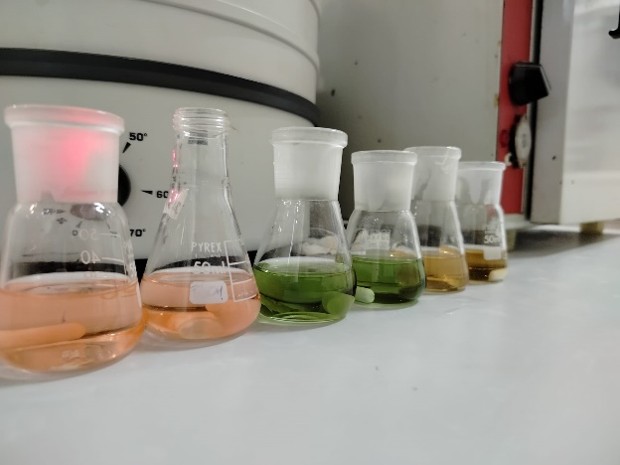
Antonio Zuorro and Michael Edgardo Perez Roa, Sapienza University of Rome
At Sapienza University of Rome, our work within the SEAFOODTURE project focuses on developing efficient protein extraction strategies from marine biomass. Using enzymatic pretreatments combined with pH-shifting extraction, we are investigating how different processing conditions influence protein solubilization and recovery from seaweeds such as Ulva, Gracilaria, and residues generated from Furcellaria processing.
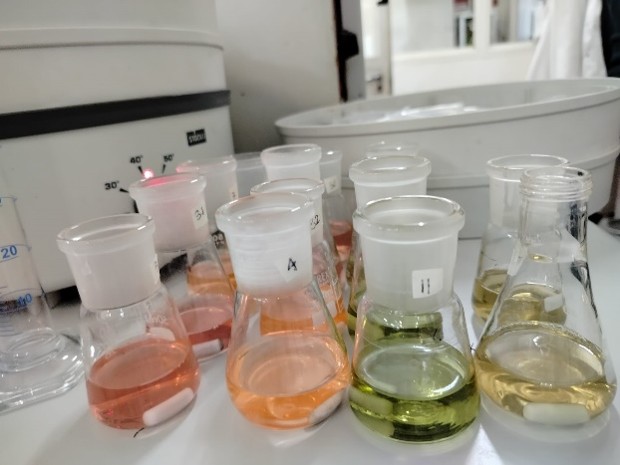
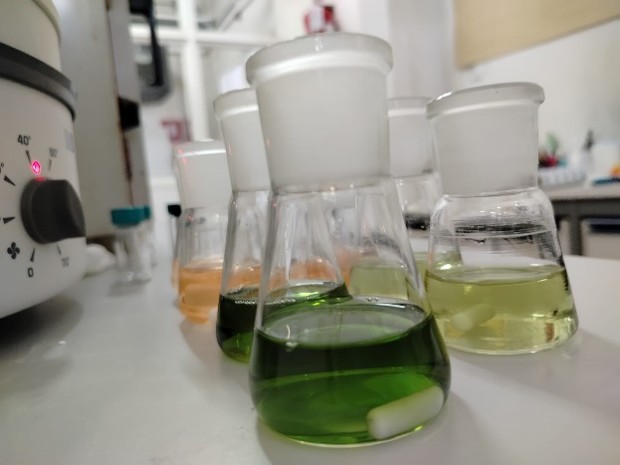
These images show part of an extensive Design of Experiments (DoE) campaign carried out to optimize the process and better understand the behavior of seaweed extracts under different conditions. Along the way, the experiments produced a fascinating range of colors, from deep green to yellow, orange, and reddish tones, reflecting the complex mixture of naturally occurring compounds present in marine biomass. Some extracts even changed color as the pH was adjusted, highlighting the sensitivity of these compounds to their chemical environment.
As our work progressed, Ulva became one of the main species investigated within the SEAFOODTURE project due to its potential as a source of proteins and other valuable biomolecules.
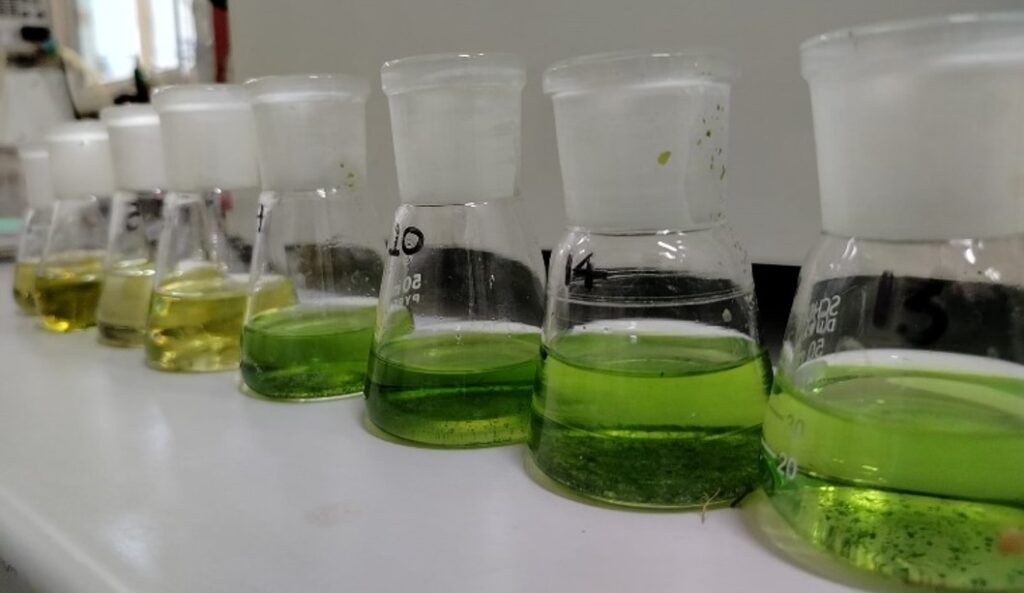
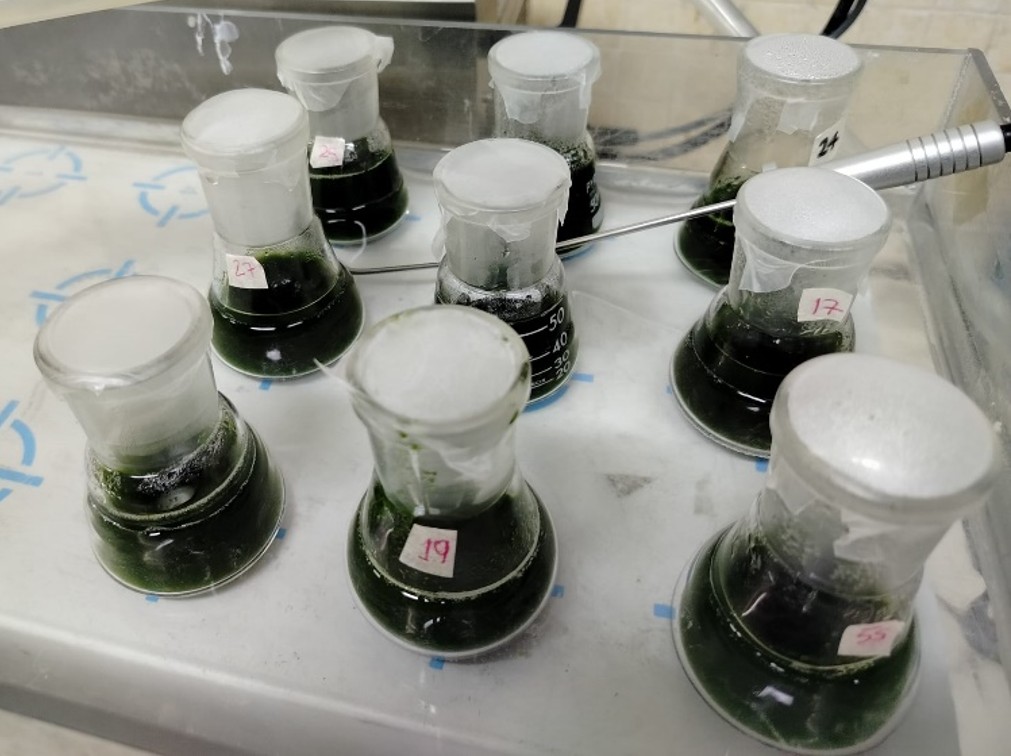
What makes Ulva particularly interesting is its complex composition. Alongside proteins, the biomass contains chlorophylls, carotenoids, ulvans, minerals, lipids, and other naturally occurring compounds that contribute to its value as a marine resource. The vibrant green and yellow extracts shown here illustrate the richness of the biomass and the diversity of compounds that can be released during processing.
Studying how these components are distributed throughout the extraction process helps us better understand the behavior of the biomass and identify opportunities for a more complete valorization of seaweed resources.
Once the most promising extraction conditions had been identified, the next step was to move beyond small-scale screening and evaluate the process under larger working volumes.
As is often the case in research, scaling up the process brought new challenges that were not fully apparent during the optimization stage. While protein extraction remained effective, the resulting extracts exhibited increasingly complex behavior, including a significant increase in viscosity and, in some cases, the formation of gel-like structures. These phenomena complicated downstream processing and highlighted the intricate interactions between proteins, polysaccharides, and other compounds naturally present in Ulva biomass.
Rather than viewing these challenges as setbacks, they became valuable learning opportunities. Understanding why these gels formed and how they influenced protein recovery opened new research directions focused on extract clarification, protein purification, and process optimization.
These experiences remind us that developing sustainable bioprocesses is not only about achieving good results under controlled conditions, but also about overcoming the practical challenges that emerge when moving closer to real-world applications.
By combining experimental observations with process optimization, the challenges associated with extract gelation were successfully addressed, allowing the work to move forward. The knowledge gained during this stage helped refine downstream processing and improve protein recovery, transforming an unexpected obstacle into an opportunity for innovation.
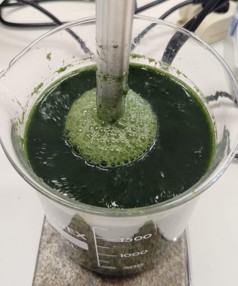
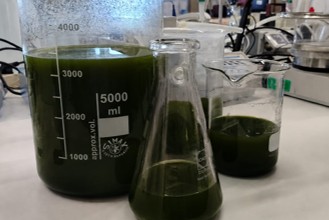
What began as a series of laboratory trials evolved into a robust extraction process capable of recovering valuable protein fractions from marine biomass. The resulting extracts represent the culmination of numerous experiments, data analysis, and continuous process improvement carried out within the SEAFOODTURE project.
Seeing the final protein-rich extract in hand is a rewarding reminder of everything that happened behind the scenes. From experimental design and laboratory optimization to overcoming unexpected processing challenges, each step contributed to transforming Ulva biomass into a valuable protein-rich product.
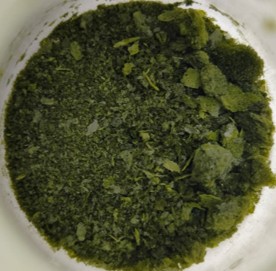
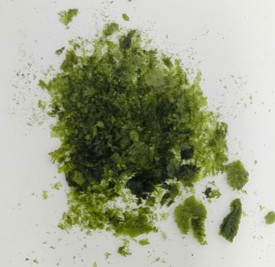
The extract shown here was obtained through enzymatic pretreatment followed by pH-shifting extraction, highlighting the potential of sustainable processing strategies for the recovery of proteins from marine resources.